Why brands outgrow theme stores
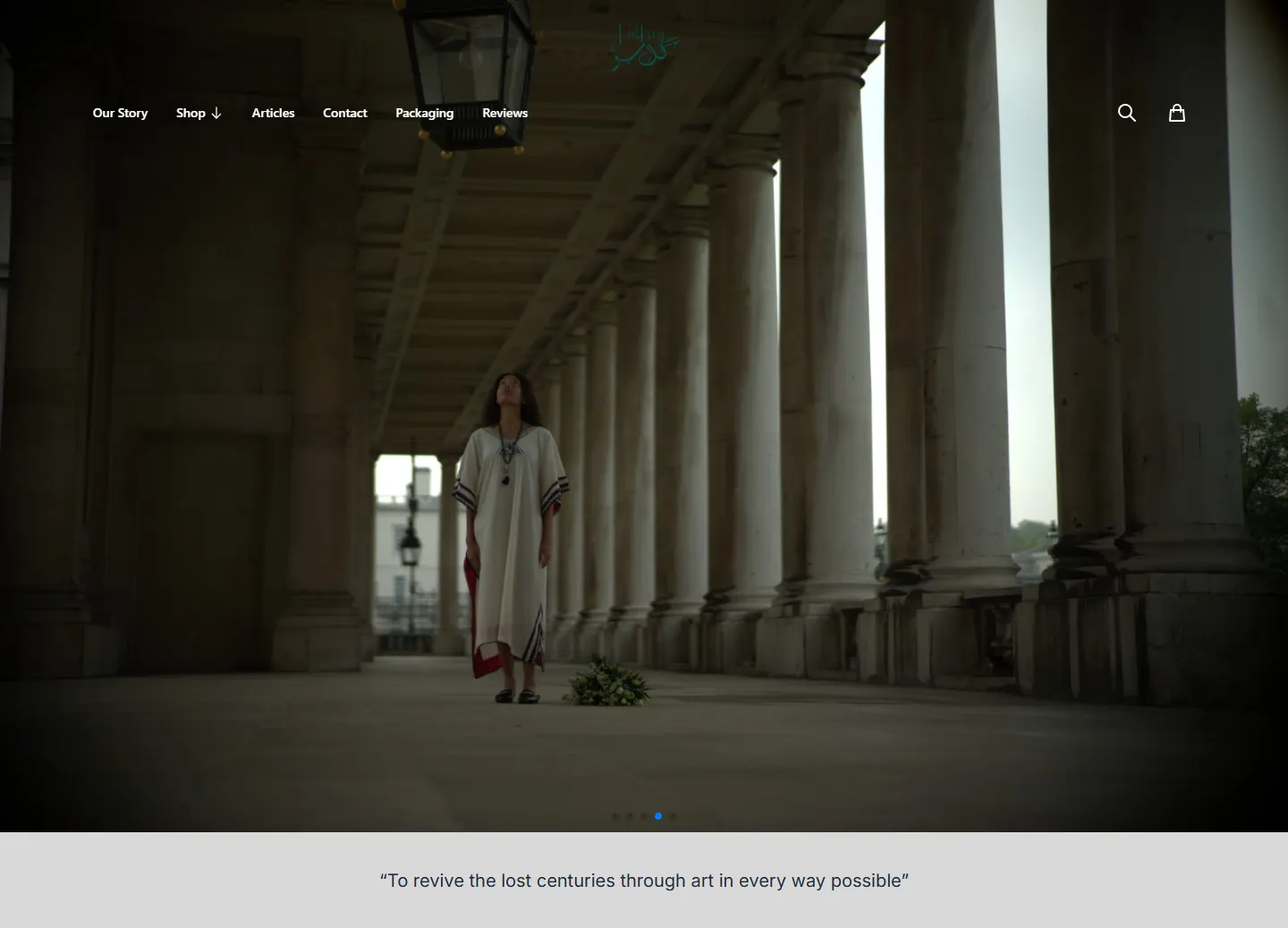
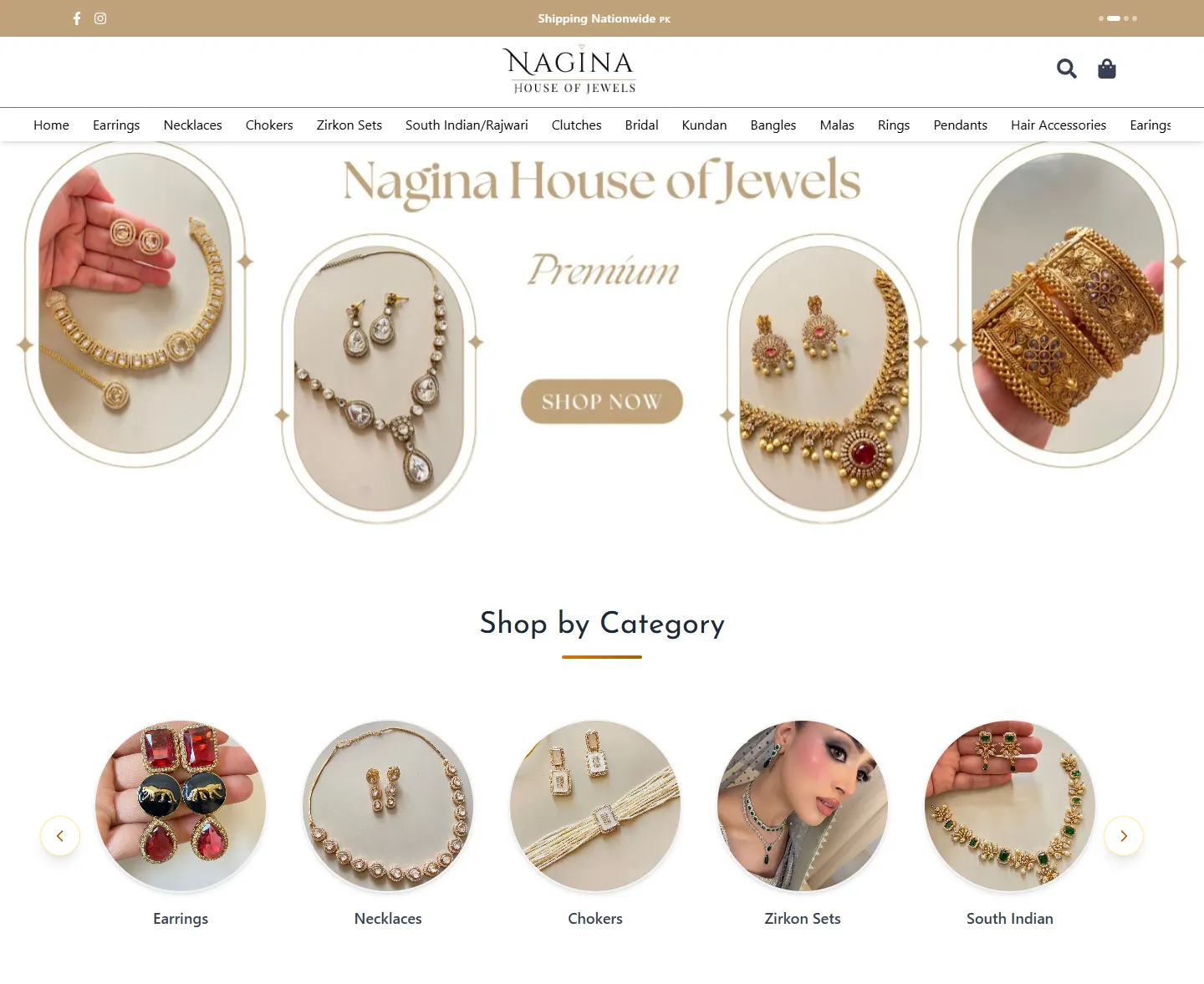
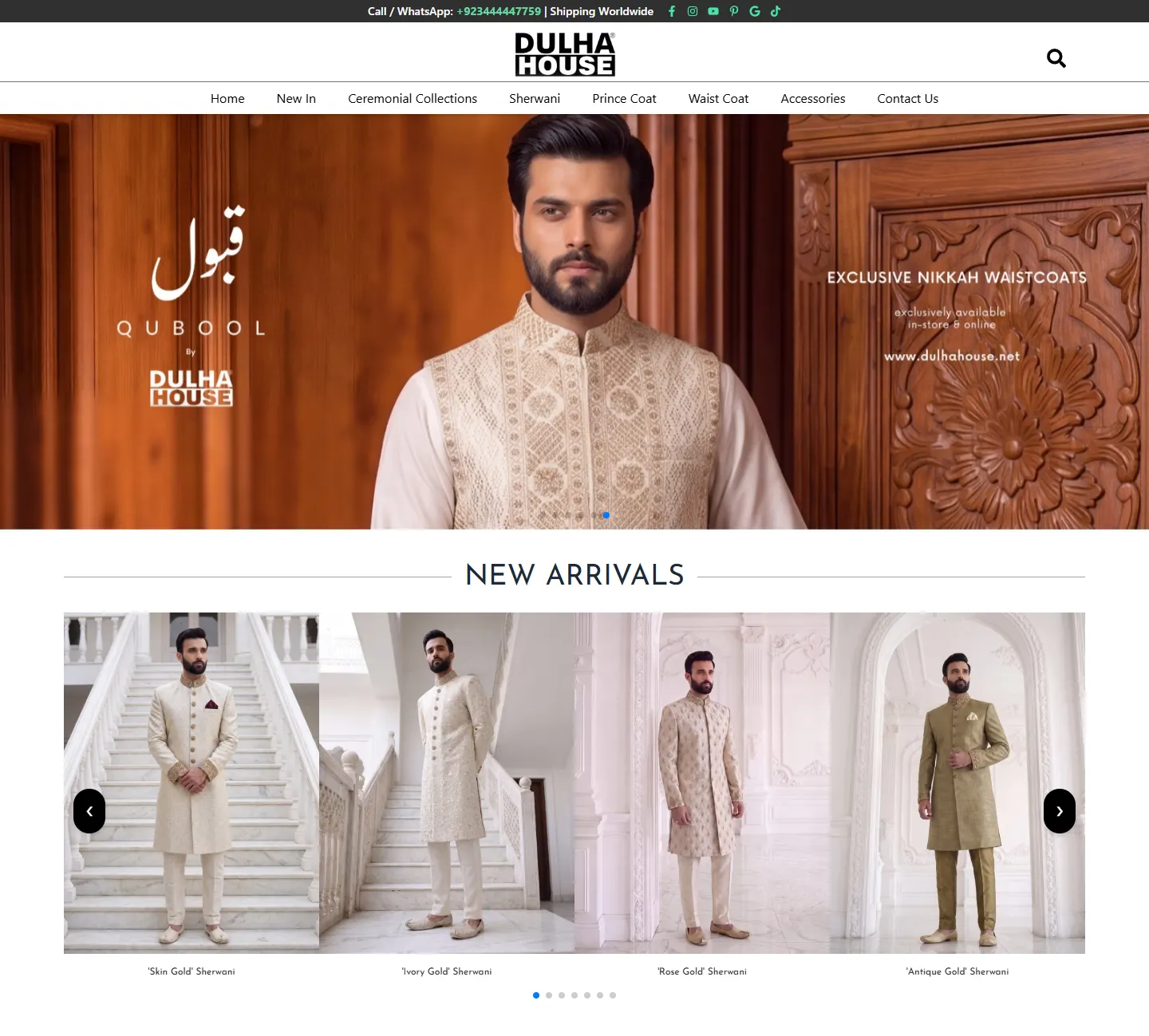
Themes are a good way to start selling. They become a problem when the brand grows up. The product photos get better, the prices go up, and suddenly the store looks like a template next to the products it sells.
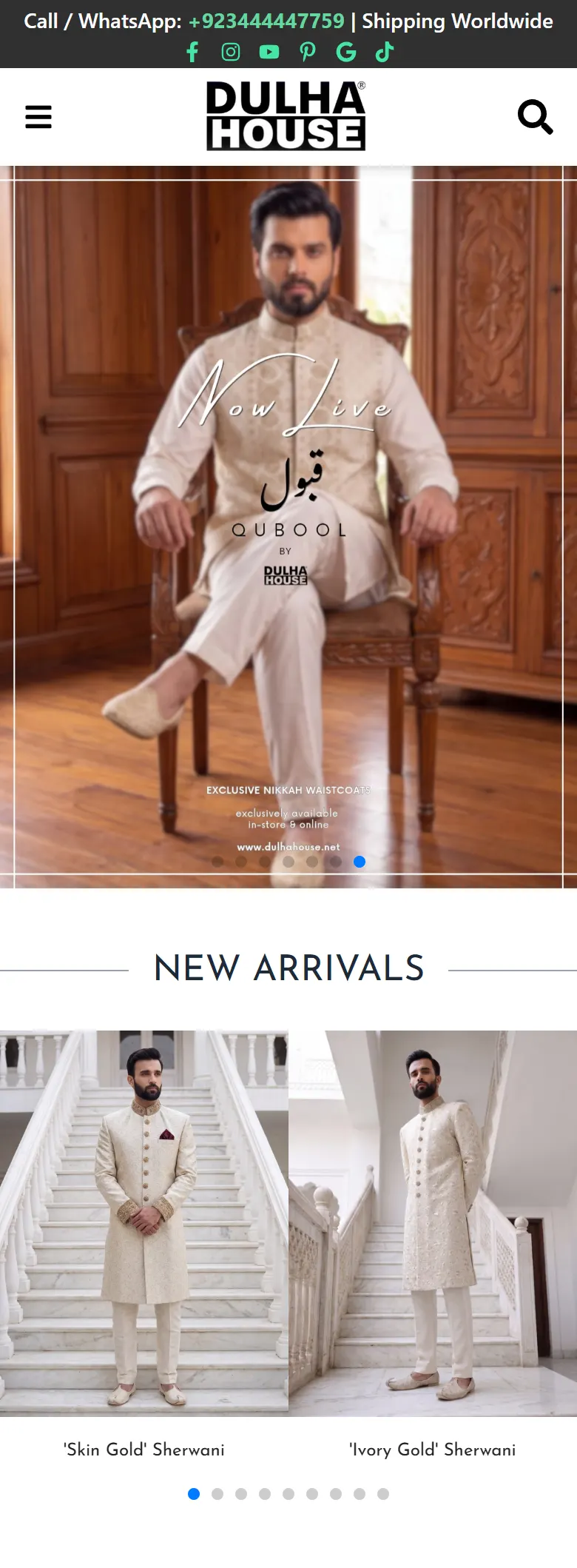
Speed is the other problem. Every app added to a theme store loads its own scripts on every page. On a phone, that's the difference between a shopper seeing the product and a shopper going back to Instagram.
A custom ecommerce website for brands fixes both. The design starts from your products and photography, and only the code a page needs is sent to the browser.
How I'd plan your store
I start with how your customers actually buy. Do they browse collections, search for one product, or arrive from an Instagram post straight to a product page? The answer decides what the home page, collection pages and product pages need to do.
Then I look at how your team works after the order comes in. The admin dashboard is built around that: the orders to pack today, products running low, and customers waiting for a reply.
What a custom ecommerce website for brands includes
Every store I build is custom-coded in Next.js, with server-rendered product and collection pages so search engines can read them. Titles, descriptions and product structured data are set up from the start.
You get 2 free revision rounds and 30 days of free bug fixes after launch. Payment is 50% upfront and 50% on delivery. To see a starting price for your exact feature list, use the website cost calculator.
Free SEO audit: see what's stopping your site from ranking
Enter your website to get a score out of 100 and a fix list, checked the way Google reads your page. Free, no sign-up.